Blog
Appliqué Embroidery Patches: A Creative Way to Make Custom Designs Stand Out

Appliqué embroidery patches are a great way to turn simple artwork into eye-catching fabric designs. By combining fabric shapes with embroidery details, appliqué patches can create bold colors, clean outlines, and a distinctive textured finish.
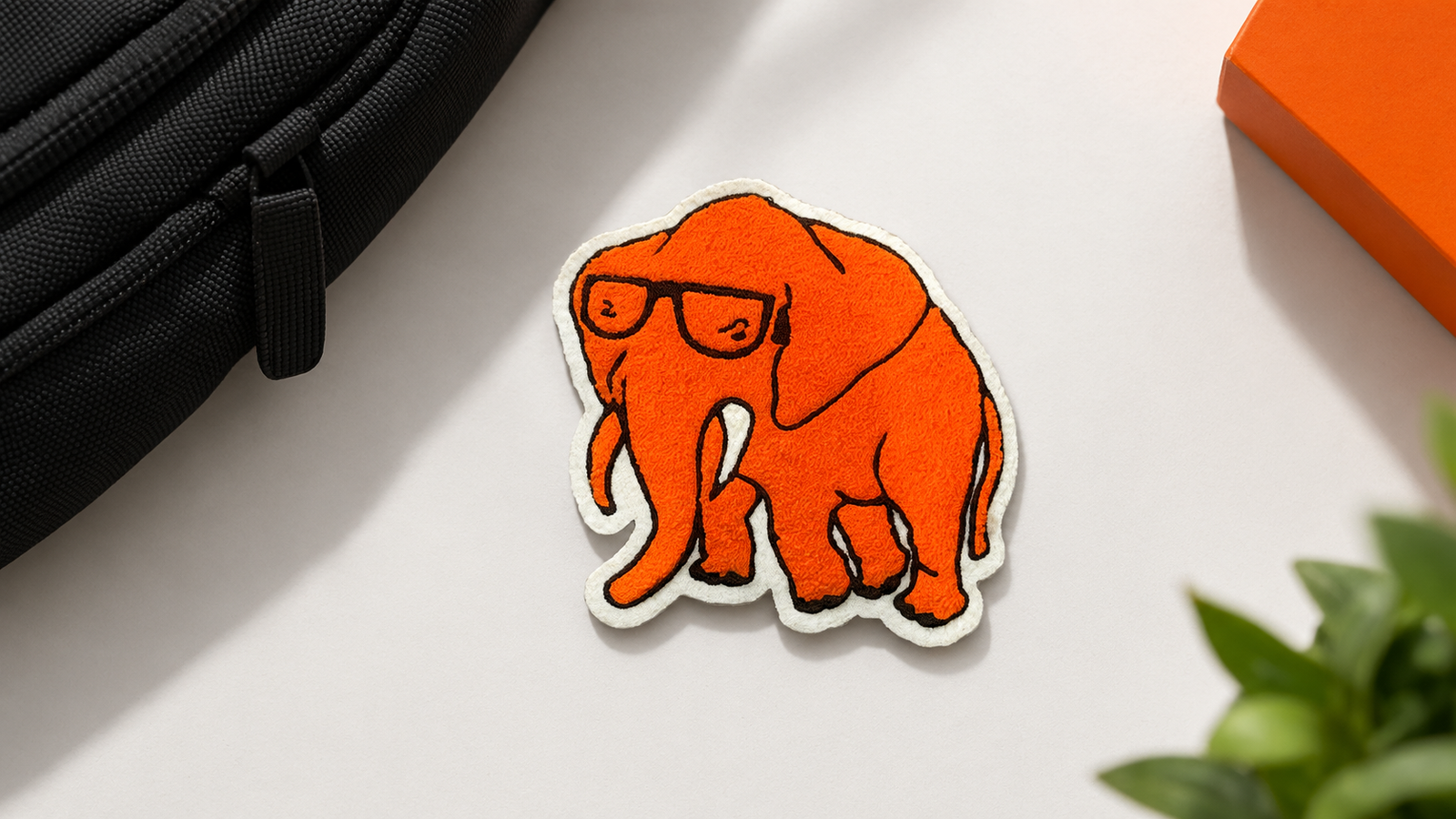
The elephant patch shown in this design is a good example of how appliqué embroidery can be used to create a character-based patch. The bright orange fabric creates the main body, while embroidered outlines and details add definition to the design.
At Summit Patches, artwork can be prepared with careful attention to detail so it is suitable for embroidery and custom patch production. The company focuses on embroidery digitizing, custom patches, vector artwork, and other production-ready design solutions.
What Is an Appliqué Embroidery Patch?
An appliqué embroidery patch combines fabric appliqué with embroidery stitching.
Instead of filling the entire design with stitches, a piece of fabric is used for larger areas of the artwork. Embroidery is then added around or over the fabric to create outlines, shapes, lettering, and other details.
This technique is especially useful for designs that have:
- Large solid-color areas
- Character illustrations
- Bold shapes
- Simple artwork
- Strong outlines
- Multiple fabric colors
- Custom logos and patches
The result is a patch that combines the visual impact of fabric with the detail of embroidery.
Why Choose Appliqué for Custom Patches?
One of the biggest advantages of appliqué is its ability to create large, bold areas without relying entirely on dense embroidery stitches.
For example, the orange elephant design uses a strong fabric color for the main body. The darker embroidered lines then define the glasses, ears, legs, trunk, and other features.
This creates a design that is easy to recognize while maintaining a clean patch appearance.
Appliqué can also give custom patches a more creative and textured look compared with a standard fully embroidered design.
Appliqué vs. Traditional Embroidery
Both techniques can produce high-quality patches, but they create different visual effects.
Traditional embroidery uses thread to build the majority of the artwork. It works particularly well for logos, lettering, detailed illustrations, and designs where stitch texture is an important part of the final look.
Appliqué embroidery uses fabric for selected areas and embroidery for the supporting details. This makes it especially useful for bold artwork and designs with larger sections of solid color.
The best option depends on the artwork, size, fabric, level of detail, and appearance you want.
How Appliqué Embroidery Is Prepared
Creating a professional appliqué patch starts with properly prepared artwork.
1. Artwork Review
The original logo, illustration, character, or design is reviewed to identify which sections are better suited to fabric and which should be embroidered.
2. Design Preparation
The artwork is separated into different elements. Large areas can be planned for appliqué fabric, while smaller details can be prepared for embroidery.
3. Embroidery Digitizing
The design is converted into an embroidery-ready format. Stitch direction, density, borders, underlay, and other technical elements need to be considered.
Professional digitizing is important because simply converting an image into stitches does not automatically produce a good embroidery result. Summit Patches specifically focuses on clean, accurate and production-ready digitizing.
4. Border and Detail Stitching
Embroidery can then be used to define the edges of the appliqué fabric and add important details to the design.
5. Sew-Out and Production
A sew-out can be used to review how the design looks before final production. Summit Patches notes that sew-out previews can be provided when required.
The Importance of Clean Borders
For appliqué patches, the border is particularly important.
A clean embroidered outline helps separate the fabric from the surrounding area and gives the patch a finished appearance. It also helps maintain the shape of the design.
In the elephant patch, the white outer border creates a strong separation between the orange artwork and the background. The dark embroidery lines then add definition to the character.
This type of contrast can make a custom patch much easier to recognize.
Where Can Appliqué Patches Be Used?
Appliqué patches are suitable for many different applications, including:
- Jackets
- T-shirts
- Caps
- Bags
- Uniforms
- Team apparel
- Children’s clothing
- Brand merchandise
- Custom character patches
- Promotional products
They can be created in different shapes, sizes, colors, and styles depending on the artwork.
Turn Your Artwork Into a Custom Appliqué Patch
Have a logo, illustration, character, or sketch that you want to turn into a patch?
Summit Patches can help prepare artwork for custom embroidery and patch production. Its services include embroidery digitizing, logo digitizing, 3D puff digitizing, cap digitizing, vector art, and custom patches.
You can also explore the existing embroidery digitizing content on the website:
Embroidery Digitizing Services
Final Thoughts
Appliqué embroidery patches offer a creative balance between fabric and embroidery. They are especially effective for colorful illustrations, character designs, logos, and bold artwork where large areas need a clean and attractive finish.
The featured orange elephant patch shows how a simple combination of appliqué fabric, embroidery outlines, and contrasting colors can create a distinctive custom patch.
With properly prepared artwork and professional digitizing, your design can be transformed into a clean, production-ready embroidery patch.